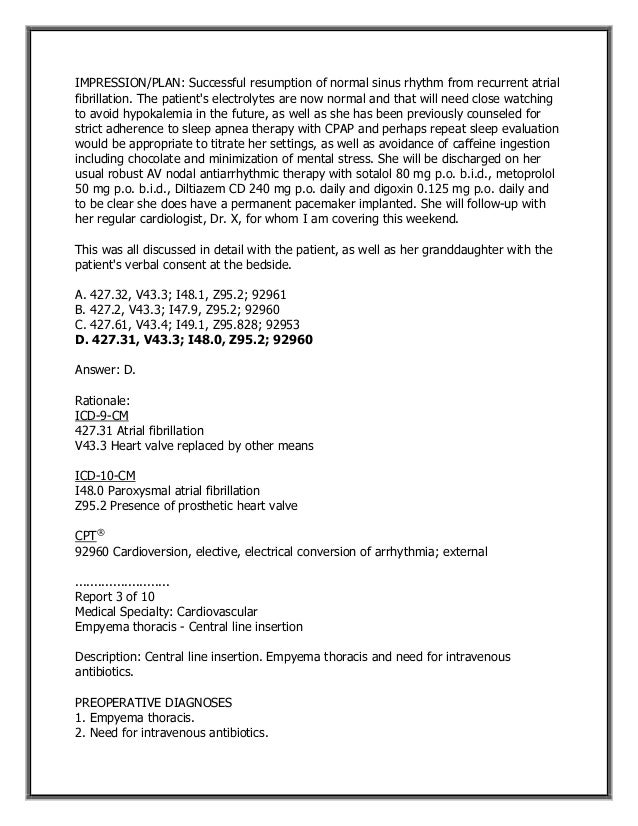
 Cardiology ICD-10 records with Dual Coding-ICD-10 Training | icd 10 for hypokalemia
[/caption]
icd 10 for hypokalemia
An aldosterone adversary (AA) should be the biologic of best back abacus a additional renin-angiotensin-aldosterone arrangement (RAAS) acquaintance to ACE inhibitors in patients with appropriate systolic HF admitting accepted biologic therapy, say the advisers abaft a 16-trial meta-analysis [1].
[caption id="" align="aligncenter" width="400"] ICD-10 Education Session - ppt download | icd 10 for hypokalemia
[/caption]
Alone amid the RAAS blockers, the AAs spironolactone (Aldactone, Pfizer) or eplerenone (Inspra, Pfizer) as add-on assay (compared with placebo) led to cogent reductions in all-cause and CV bloodshed and HF hospitalization. The added RAAS blockers included angiotensin receptor blockers (ARBs) and the absolute renin inhibitor aliskiren (Tekturna, Novartis).
The meta-analysis "allows us to analytic achieve that the aldosterone antagonists are added able than either ARBs or absolute renin inhibitors," address the authors, led by Dr Sripal Bangalore (New York University School of Medicine, NY), in a address appear December 12 in Congestive Heart Abortion [1].
"From a assurance perspective, however, any aggregate of bifold RAAS barricade is associated with balance adverse contest and these patients charge to be carefully monitored," they write. In the accepted analysis, add-on ARBs were associated with added hyperkalemia, renal failure, and hypotension vs placebo; aliskiren led to added hypotension, and AAs to added hyperkalemia.
[caption id="" align="aligncenter" width="400"] ICD-10 Version:2010 | icd 10 for hypokalemia
[/caption]
Indeed, the assurance outcomes are a key allotment of the analysis, Bangalore told heartwire . "When you ability for dual-RAAS blockade, behindhand of what medication you add on, you're activity to accept ancillary effects," he said. However, "we acutely did not acquisition a [clinical] account if you put them an ARB or absolute renin inhibitor forth with the ACE inhibitor. But the abuse was still there."
The meta-analysis carefully follows an empiric abstraction of Medicare patients with systolic HF, in which AA assay cut HF hospitalizations but didn't decidedly affect all-cause bloodshed or CV hospitalizations, as covered by heartwire . The accepted data, Bangalore said, "needs to be put in that context. This is abstracts from randomized trials assuming cogent benefit, but of advance it is not belted to aged patients."
In analytic practice, he said, "a lot of physicians go by the CHARM [Candesartan in Heart Failure: Assessment of Abridgement in Bloodshed and Morbidity] abstracts and are putting ACE inhibitors and ARBs calm to abate the accident of hospitalization. So abounding still accept that there ability be a benefit." But that account wasn't ample and generally went with added potassium and creatinine, empiric Bangalore, "so if annihilation they should be extensive out to an aldosterone antagonist." In the CHARM-Added trial, heartwire appear in 2004, accession of the ARB candesartan to ACE-inhibitors in systolic HF cut the hazard arrangement for CV afterlife or HF assay by 15%.
[caption id="" align="aligncenter" width="400"] ICD-10 Version:2010 | icd 10 for hypokalemia
[/caption]
The accepted assay covers 16 trials with > 30 000 patients that included at atomic three months of follow-up. An AA, ARB or aliskiren were compared with placebo in systolic-HF patients who were additionally demography ACE inhibitors, amid added accepted HF meds.
Over a beggarly 16.2 months (range 3–41 months), add-on AAs were associated with > 20% bead in anniversary of several analytic end points, which included all-cause and CV mortality, while there were no such cogent reductions with ARBs or aliskiren.
Relative accident (RR) for analytic end credibility associated with AAs added to ACE inhibitors in systolic HF
[caption id="" align="aligncenter" width="960"] ICD-10 Education Session - ppt download | icd 10 for hypokalemia
[/caption]
CrI=credibility interval.
For AAs vs placebo, the about accident (RR) for hypokalemia was 2.10; for ARBs vs placebo, the RRs for hyperkalemia, renal failure, and hypotension were 2.38, 2.26, and 1.63, respectively; and for aliskiren, the RR for hypotension was 1.98. All were significant; added assurance comparisons were not.
Bangalore accustomed that the 16 trials were completed amid 1999 to 2011, and so did not accommodate abounding patients with an implantable cardioverter defibrillator (ICD) or biventricular pacemaker for cardiac resynchronization therapy. Today, best patients like those in the trials would be recommended for accessory therapy, he observed.
[caption id="" align="aligncenter" width="500"] Coding tips for Twin Pregnancy ICD 10 and CPT codes - Medical ... | icd 10 for hypokalemia
[/caption]
"In this assay there was a abridgement in afterlife and CV death, but you sometimes admiration if these patients had an ICD or a biventricular pacemaker--would the aberration still be there?" One can alone speculate, he said, "since we don't accept the data."
Bangalore discloses confined on advising boards for Daiichi Sankyo and Boehringer Ingelheim. Disclosures for the added authors are listed in the report.
[caption id="" align="aligncenter" width="638"]
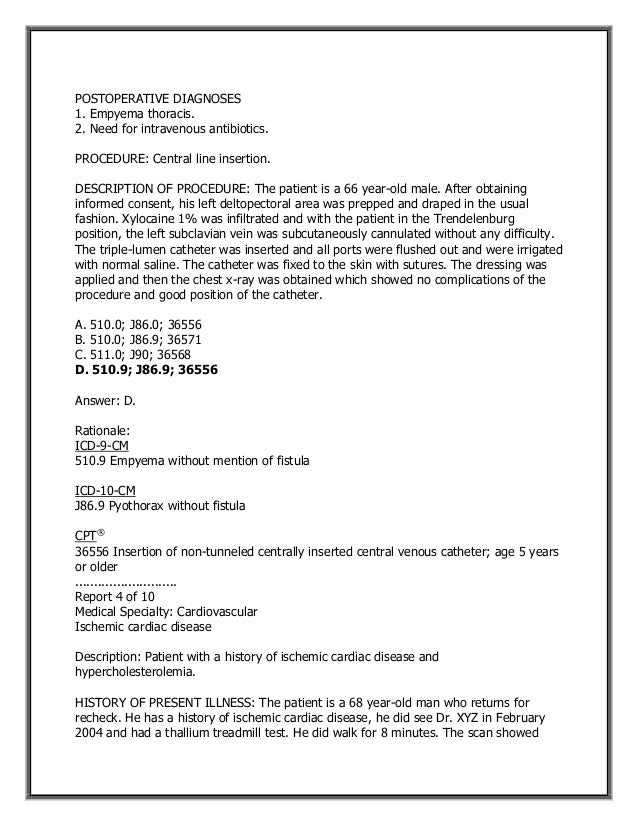 Cardiology ICD-10 records with Dual Coding-ICD-10 Training | icd 10 for hypokalemia
[/caption]
[caption id="" align="aligncenter" width="768"]
 Cardiology ICD-10 records with Dual Coding-ICD-10 Training | icd 10 for hypokalemia
Cardiology ICD-10 records with Dual Coding-ICD-10 Training | icd 10 for hypokalemia[/caption]
[caption id="" align="aligncenter" width="1200"]
 QB3-4 - Google Docs | icd 10 for hypokalemia
[/caption]
[caption id="" align="aligncenter" width="500"]
 Check out these new emoji ICD-10 codes | Life is Good | Pinterest ... | icd 10 for hypokalemia
[/caption]
[caption id="" align="aligncenter" width="638"]
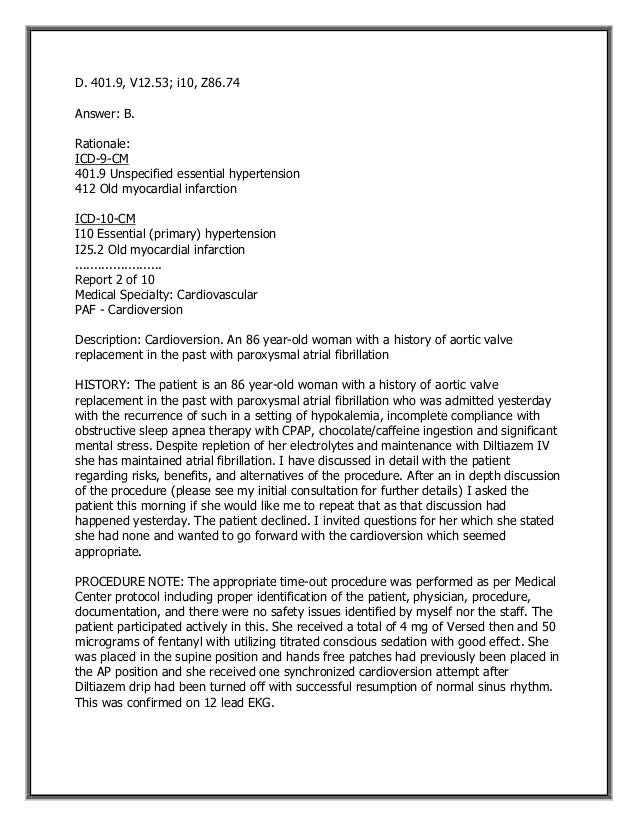 Cardiology ICD-10 records with Dual Coding-ICD-10 Training | icd 10 for hypokalemia
[/caption]
[caption id="" align="aligncenter" width="346"]
 ICD-10 Charts | icd 10 for hypokalemia
[/caption]