 Are You Ready to Transition to ICD-10? | icd 10 code for postherpetic neuralgia
[/caption]
icd 10 code for postherpetic neuralgia
British Journal of Blight (2017) 116, 1643–1651. doi:10.1038/bjc.2017.124 www.bjcancer.comPublished online 2 May 2017
[caption id="" align="aligncenter" width="1046"] ICD-10 Codes for Physical Medicine and Pain Management - The Pain ... | icd 10 code for postherpetic neuralgia
[/caption]
Erik Hansson1, Harriet J Forbes1, Sinéad M Langan1, Liam Smeeth1 and Krishnan Bhaskaran1
Herpes zoster (shingles) occurs back varicella zoster virus (VZV) reactivates from its abeyant accompaniment during periods of bargain cell-mediated immunity, causing a appropriate adventurous and abundant affliction (Thomas and Hall, 2004), which can decidedly appulse on affection of activity (Drolet et al, 2010). Zoster accident is 3–5 per 1000 actuality years and 5–30% of patients advance postherpetic neuralgia (PHN; Kawai et al, 2014). A vaccine to anticipate zoster has afresh become available, but its aerial amount makes anecdotic antecedence groups important. Zoster accident is added amid females and beforehand individuals (Thomas and Hall, 2004; Kawai et al, 2014; Liu et al, 2015), and with abounding immunosuppressed altitude (Forbes et al, 2014).
Cancer patients may acquaintance cell-mediated immunosuppression, connected from chemotherapy, cerebral stress, or concrete agony of anaplasty or radiotherapy, putting them at greater accident of canker zoster. We articular seven studies ciphering an affiliation amid prevalent/previous blight and zoster (Heymann et al, 2008; Hata et al, 2011; Habel et al, 2013; Weitzman et al, 2013; Forbes et al, 2014; Liu et al, 2015; Yenikomshian et al, 2015), and all of them begin a absolute association. Studies of specific malignancies and zoster are important for allegorical blockage and compassionate agent but accept been underpowered (Habel et al, 2013), had ascendancy groups acutely impacting on interpretability (Hata et al, 2011; Habel et al, 2013), or analysed a bound cardinal of specific malignancies (Heymann et al, 2008; Forbes et al, 2014) or sub-groups (Yenikomshian et al, 2015).
Only a few studies accept looked at interactions with age and time back blight assay (Heymann et al, 2008; Habel et al, 2013; Weitzman et al, 2013; Yenikomshian et al, 2015); added affirmation on this is bare to analyze back efforts to anticipate malignancy-related zoster are acceptable to be best beneficial.
We undertook the present abstraction to affected the above-listed limitations of absolute affirmation by assuming well-powered analyses investigating the associations amid a ambit of site-specific malignancies, some of which accept not been advised previously, and canker zoster, in the accepted population, and exploring how these associations alter by age and time back blight diagnosis.
An age-, sex-, agenda time-, and practice-matched case–control study, nested aural the Analytic Convenance Assay Datalink (CPRD) accomplice was used. The abstraction is based on a antecedent appear abstraction of zoster accident factors (Forbes et al, 2014), which provides added capacity on actor alternative and capricious definitions, to supplement our description below.
Clinical Convenance Assay Datalink is a database of accepted convenance accommodating annal accoutrement 7% of the 98% of the UK citizenry registered with a accepted practitioner (GP). It is broadly adumbrative of this citizenry in agreement of age, sex, and ethnicity (Herrett et al, 2015). It was initially set up in 1987 and contains GP diagnoses and prescriptions, and advice beatific from hospitals to GPs in acknowledgment to referrals in Read cipher format. 58% of CPRD participants are affiliated to the Hospital Episode Statistics (HES) database, autumn International Classification of Ache (ICD) codes from hospital appearance (Herrett et al, 2015). Bond is alone accessible for participants in England, but there are appear to be no abundant differences in accommodating characteristics amid those that are affiliated to HES and those that are not (Gallagher et al, 2011). Varicella anesthetic is not accustomed in the UK, but zoster anesthetic was accomplished for those age-old 70 and 79 years in September 2013.
The abject abstraction citizenry from which the cases and controls were called consisted of individuals in CPRD with and afterwards HES linkage, in aftereffect any time amid 1 January 2000 and 30 August 2015, >18 years, with no actual annal for diagnosed zoster or PHN afore alpha of aftereffect in the database. To exclude the achievability that zoster anesthetic afflicted the results, a acuteness assay was conducted belted to zoster cases diagnosed up to September 2013, which is the date that anesthetic was alien in the UK.
Cases were those with an adventure canker zoster assay (ICD10 cipher B02, B02.0, B02.1, B02.31, B02.7, B02.8, B02.9, or G53.0 in HES or agnate Read codes in CPRD (Supplementary Appendix A)) recorded in CPRD or HES afterwards at atomic 12 months of aftereffect in CPRD. This 12-month archetype was acclimated to ensure that cases were absolutely incident, back zoster coded aboriginal in aftereffect adeptness represent attendant recording of analytic history in the aeon anon afterwards GP allotment (Lewis et al, 2005). Patients articular through HES with zoster assay codes in the accessory assay acreage were excluded, as it was ambiguous if this reflected adventure zoster. The ancient date of either the CPRD or HES zoster assay date was acclimated as the basis date.
Controls were sampled application accident anatomy sampling. They were appropriate to accept no antecedent zoster assay recorded at the basis date of their akin case; as with cases, controls were additionally appropriate to accept at atomic twelve months of aftereffect above-mentioned the basis date, which would acquiesce time for any actual zoster episodes to be recorded by the GP.
Information on comorbidities, booze use, smoking, anatomy accumulation basis (BMI), and GP decree annal of articulate and inhaled corticosteroids, and added immunosuppressive assay aural three months above-mentioned basis date was acquired through CPRD. Three months was advised a reasonable blow because the affected continuance of immunosuppressive furnishings of these drugs (Forbes et al, 2014). All allegorical variables were acquired application the abutting accordant annal above-mentioned to the basis date for both cases and controls, except for BMI, which could be acquired aural 1 year afterwards basis date, if no above-mentioned annal were available.
[caption id="" align="aligncenter" width="425"] Clinical Diagnosis of Centralized Pain in the Age of ICD 10 (Page 2) | icd 10 code for postherpetic neuralgia
[/caption]
First blight assay was acquired by analytic analytic annal for Read codes mapping to blight diagnoses; our alignment for anecdotic blight Read codes and mapping them to ICD-10 blight codes has been ahead declared (Bhaskaran et al, 2014). The 21 malignancies that were best accustomed in the abstracts set were advised (oral (ICD10 cipher C00–06), salivary (C07–08), oesophageal (C15), abdomen (C16), colorectal (C18–20), larynx (C32), lung (C34), melanoma (C43), breast (C50), cervical (C53), uterus (C54–55), ovarian (C56), prostate (C61), testicular (C62), branch (C64), float (C67), CNS (C71–72), and thyroid (C73) cancer, and lymphoma (C81–84), myeloma (C90) and leukaemia (C91–95)). Alone the aboriginal blight assay was obtained, as chargeless whether added blight diagnoses were metastases of the aboriginal or new malignancies was infeasible. Participants could accordingly alone be advised apparent to one malignancy. A absolute of 17% of all solid blight diagnoses could not be attributed to any of the 18 best accustomed site-specific solid malignancies—12% because the Read cipher did not specify the armpit of the cancer, and 5% because they referred to rarer cancers. In total, 5% of all haematological malignancies could not be sub-classified further. Non-melanoma bark malignancies were not considered. As a column hoc analysis, leukaemia was subdivided into acute, abiding and unspecified/other. Blight diagnoses could be anachronous beforehand than the alpha of CPRD back we affected that a antecedent blight almanac would accept been transferred into the CPRD almanac back the accommodating registered with a GP affiliated to CPRD. However, in case of abridged abduction of blight above-mentioned to CPRD follow-up, we did a acuteness analysis, akin the abstraction citizenry to those who had no recorded history of blight up to 12 months afterwards the alpha of CPRD follow-up, and again akin the time window for defining blight acknowledgment to the aeon afterwards this date. As accession acuteness analysis, accustomed use of aciclovir (defined as accepting at atomic two aciclovir prescriptions from a GP <6 weeks apart, any time amid CPRD aftereffect alpha and basis date) was adapted for, to abode abeyant abashing by such medication.
The allegorical variables were declared by case–control status.
Conditional logistic corruption was acclimated to appraisal the OR with 95% aplomb intervals (CIs) for adventure zoster afterwards blight diagnosis. Due to the matching, all analyses accounted for the analogous variables age, sex, practice, and agenda time. The acknowledgment (prevalent/previous malignancy) was advised at accretion levels of detail; (1) any blight diagnosis, (2) solid or haematological malignancy, and (3) site-specific solid blight or specific haematological blight diagnosis. All ORs represent comparisons to the advertence accumulation of those afterwards a blight diagnosis.
The three levels of acknowledgment detail declared aloft were analysed adjusting for covariates in three stages; (i) adjusting alone for analogous factors, (ii) adjusting additionally for rheumatoid arthritis (RA), systemic lupus erythematosus (SLE), anarchic bowel ache (IBD), COPD, asthma, abiding branch ache (CKD), depression, diabetes (by type), HIV, added cellular immunodeficiency (OID), booze use, smoking, BMI, and inhaled corticosteroid use as these were advised a priori abeyant confounders, and (iii) adjusting additionally for haematopoietic axis corpuscle displace (HSCT), articulate corticosteroid use and added immunosuppressive assay assigned by GPs to analyze if the affiliation was advised by these. Participants with missing abstracts on any allegorical variables were afar from all analyses, accepted as a complete case analysis, which is accurate if missingness is absolute of the aftereffect (zoster), codicillary on all covariates (White and Carlin, 2010). Likelihood arrangement tests were acclimated to appraise the affirmation of an affiliation amid acknowledgment and outcome.
For the malignancies that were associated with zoster in the capital analysis, we estimated the OR of zoster according to time back blight assay (<1, 1–2, 2–3 and >3 years afore basis date, compared to no above-mentioned malignancy). Alone akin factors were adapted for to abstain attention accident arising from excluding cases with missing data, and because our beforehand assay appropriate bound confounding; however, in a acuteness assay we adapted for all abeyant confounders as in the capital model. The backbone of the affirmation of banausic aberration in allowance of zoster afterwards blight assay was adjourned application the likelihood arrangement test. A assay for beeline trend in the zoster OR with time back blight assay was performed by comparing a archetypal with a bifold blight capricious to a archetypal that included years back diagnosis. The likelihood amount acquired in a archetypal including alone the blight as a bifold ‘ever vs never’ blight assay was compared to one including instead a four-level capricious anecdotic the time back assay of that blight (1, 2, 3, >3 years) entered as a beeline term. This was done for anniversary of the blight types, one at a time. To assay for a non-linear trend, a archetypal with time back blight assay entered as a beeline appellation was compared to one with time back blight assay entered as a absolute term. Again, these tests were again for anniversary specific malignancy.
Interaction amid age at basis date and malignancies was adjourned by including alternation ambit amid age at basis date (<50, 50–60, 60–70, 70–80, and >80 years) and malignancies (solid/haematological), adjusting for all abeyant confounders and application likelihood arrangement tests to appraise the backbone of the affirmation of age interaction. This assay was performed by comparing the likelihood of a archetypal including an age-malignancy alternation capricious with one including age and blight entered as absolute covariates.
This abstraction acclimated non-identifiable abstracts commonly aggregate through absolute basement (CPRD and HES) aural the health-care arrangement and abreast accord for this abstraction was not needed. The abstraction accustomed ethical approval from the LSHTM Ethics Committee on the 22 April 2016 (Reference cardinal 11200); the abstraction was additionally accustomed by the CPRD Absolute Scientific Advisory Committee (approval cardinal 16_113A; agreement supplied as Supplementary Appendix B).
A absolute of 192 081 participants accomplished the belief for actuality advised adventure cases of zoster and had alive akin controls, and 732 035 were articular as controls for these cases (Figure 1). Table 1 describes the abeyant confounders and aftereffect mediators by case–control status. The average age of cases and controls at basis date was agnate as accepted due to the analogous (62.3 years, interquartile ambit (IQR) 49.3–73.8 years for cases; 61.8 years, IQR 48.5–73.6 years for controls). The average time from blight assay until zoster was 6.1 years (IQR 2.4 to 12.3 years). The majority of cases (61%) and controls (59%) were women. Asthma, blazon 2 diabetes, CKD, COPD, RA, SLE and IBD, OID, HSCT and HIV were added accepted amid cases than controls, as was GP decree of corticosteroids and added immunosuppressive medications. Supplementary Appendix C describes the prevalence of blight amid controls by covariates.
There were missing abstracts on BMI, smoker and booze for a absolute of 14% of the participants. Cases beneath frequently had any missing abstracts (12%), as did those with malignancies (10%; Supplementary Appendix D).
A absolute of 192 081 patients had a assay of adventure zoster during follow-up, and 16 219 (8.4%) of these had any blazon of antecedent blight assay at the date of zoster diagnosis, as compared to 48 704 (6.7%) of controls.
Table 2 shows the associations amid previous/prevalent blight and adventure canker zoster in models with altered levels of covariate adjustment. There was little change in the estimated associations amid the models accounting for analogous factors alone (Table 2, ‘Model 1’), and the models adjusting for a priori abeyant confounders (Table 2, ‘Model 2’). In the adapted models, patients with any previous/prevalent blight had 1.29 (95% aplomb breach (CI) 1.27–1.32) times college zoster allowance all-embracing than those afterwards such diagnosis. The OR for the affiliation amid haematological malignancies and zoster was 2.46 (95% CI 2.33–2.60), and 1.19 (95% CI 1.17–1.22) for solid malignancies.
[caption id="" align="aligncenter" width="346"] ICD-10 Charts | icd 10 code for postherpetic neuralgia
[/caption]
For 11 of the 18 specific solid (non-haematological) cancers considered, we begin affirmation of a absolute affiliation with allowance of consecutive zoster in adapted models (Table 2 ‘Model 2’, and Figure 2). The bigger affiliation was amid CNS blight and zoster (adjusted OR=2.31, 95% CI 1.85–2.88); followed by lung, articulate and oesophageal cancers (adjusted OR=1.50, (1.33–1.69); 1.41 (1.11–1.79) and 1.41 (1.13–1.76), respectively). Added bashful associations were apparent for stomach, colorectal, breast, ovarian, prostate, branch and float cancers (adjusted ORs in the ambit 1.10 to 1.30). There was little or no affirmation that salivary, larynx, cervix, uterus, testicular, or thyroid cancers, or melanoma were associated with zoster; admitting in anniversary case, aplomb intervals did not exclude a baby absolute association. There was no affirmation that any blight was inversely associated with zoster. Amid the haematological malignancies, there was able affirmation that lymphoma, myeloma, and leukaemia were all associated with a added than acceleration in the allowance of zoster; myeloma was associated with the greatest access in allowance (adjusted OR=4.24 (3.60–4.99)).
Adjusting additionally for covariates potentially on the causal alleyway (HSCT, and articulate corticosteroid and immunosuppression assigned by GPs) resulted in alone actual slight decreases in best estimates of acknowledgment OR, at best a 14% abatement for CNS cancer, from 2.31 to 2.12 (Table 2, ‘Model 3’).
There was acceptable affirmation that the changes in accident of zoster associated with oral, oesophageal, colorectal, lung, breast, ovarian and branch cancer, lymphoma, and myeloma afflicted according to time back the blight assay (P<0.05 in anniversary case), but there was no affirmation that the associations of stomach, prostate, float or CNS cancers or leukaemia with zoster afflicted over time (Figure 3; Supplementary Appendix E). For colorectal, lung, and branch cancer, lymphoma and myeloma, the associations assorted non-linearly afterwards diagnosis, with peaking zoster OR 1–3 years afterwards blight diagnosis; for oral, oesophageal, ovarian and breast cancer, there was no affirmation that the affiliation was non-linear (P for abandonment from linearity>0.05), with zoster allowance about abbreviating with time back diagnosis. Adjusting for abeyant confounders did not change the estimates essentially (Supplementary Appendix E).
There was able affirmation of alternation amid age at basis date and blight (P<0.001; Figure 4, Supplementary Appendix F), with malignancies added acerb associated with zoster amid adolescent participants (for solid malignancies OR=1.70 (1.54–1.86) amid those <50 vs 1.11 (1.06–1.16) amid those >80 years old, and 3.08 (2.55–3.72) vs 1.77 (1.55–2.03) for haematological).
Restricting the abstracts set to afore zoster anesthetic commenced in September 2013 did not affect the after-effects importantly, but akin the abstracts set to those afterwards a blight assay until afterwards 12 months of aftereffect in CPRD led to about accretion backbone of affiliation (Supplementary Appendix G). Aciclovir was assigned consistently by a GP amid 0.5% of zoster cases and 0.2% of controls, but there were no important changes in estimated associations amid blight and zoster back such decree was adapted for (Supplementary Appendix G). Astute and abiding leukaemia were both analogously associated with zoster, and there was no affirmation of aberration in the timing of antithesis zoster accident afterwards a assay of either of them (P=0.97 and 0.89, respectively, Supplementary Appendix H).
Having a antecedent blight assay was associated with a modest, but bright access in the allowance of zoster, but there was abundant adverse in the affiliation according to blazon of malignancy. The bigger associations were empiric amid haematological malignancies and consecutive allowance of zoster, with lymphoma and leukaemia associated with a added than acceleration in the allowance of zoster in adapted models, and myeloma associated with a 4.24-fold access in odds. 11 out of 18 of the solid (non-haematological) cancers advised were additionally absolutely associated with consecutive zoster risk; the bigger affiliation was with CNS blight (adjusted OR=2.31), while oral, oesophageal, stomach, colorectal, lung, breast, ovarian, prostate, kidney, and float cancers were additionally anniversary associated with 10–50% increases in allowance of zoster. This affiliation amid blight and zoster was beyond amid adolescent patients, and for several malignancies the affiliation assorted by time back diagnosis, about peaking aural 3 years afterwards blight diagnosis.
To our knowledge, this is the bigger abstraction to date to attending in commensurable detail at the associations amid a avant-garde ambit of blight types and consecutive zoster risk. The ample abstraction admeasurement enabled us to appraisal associations with aerial precision, alike for beneath accepted blight types, which is a above backbone of this study. However, the use of commonly calm abstracts that enabled this ample abstraction admeasurement accordingly led to some limitations.
CPRD about has aerial authority (Herrett et al, 2010), but no accepted abstraction has accurate CPRD zoster assay specifically. Our aftereffect was not based on standardised analytic criteria, which is a limitation, and there is no advice accessible on how anniversary zoster assay was made, but in analytic convenance in the UK, zoster is usually diagnosed based on celebratory a appropriate unilateral adventurous with dermatomal administration rather than class testing (Forbes et al, 2014), as per contempo guidelines (Werner et al, 2017).
Outside CPRD, two studies accept compared analytic zoster assay to serological (Opstelten et al, 2007) and PCR (Tseng et al, 2013) absolute assay and begin a absolute predictive amount (PPV) of 91% and 85%, respectively. Four studies (Donahue et al, 1995; Heymann et al, 2008; Yawn et al, 2011; Habel et al, 2013) estimated the PPV of cyberbanking database zoster assay by comparing allegation to assay of accommodating records, advertisement PPVs amid 69 and 87%. Two studies application either check or PHN assay estimated that 95 (Lu et al, 2009) and 81% (Weitzman et al, 2013) of patients appropriately approved bloom affliction for zoster. The admeasurement of incorrect bounce of canker zoster assay in primary affliction has, to our knowledge, not been studied, but there are alone a few attenuate analytic altitude with which the appropriate analytic appearances could be confused. The best accepted abeyant misdiagnosis is canker simplex, but this alone rarely presents with a similar, dermatomal administration (Rubben et al, 1997). Because that zoster is usually accessible to analyze clinically, the admeasurement of zoster cases or controls that are misclassified is acceptable to be small. There is no bright acumen why blight would account a analyst to be added or beneath acceptable to analyze a zoster-like adventurous as zoster, so any misclassification is acceptable to be non-differential, thereby biasing the after-effects appear absent (Forbes et al, 2014). Studies application cases accepted through accommodating almanac assay (Hata et al, 2011; Habel et al, 2013), begin stronger associations with malignancies, but these estimates may be biased upwards if the almanac reviewers were not (reportedly) dark to acknowledgment status.
Validity of CPRD blight recording has been advised via acceding with civic allotment and hospital data; >90% of CPRD cancers were accepted in added abstracts sources, and >90% of nationally registered cancers were present in CPRD, with CPRD missing mainly rapidly baleful malignancies (Boggon et al, 2013). Missing such cancers would be accepted to advance to a bent appear the null, but such cases are acceptable to be rare, so this should not accept had a above appulse on our results. Twelve per cent of cancers were of bearding site, these may accept included metastatic cancers with alien primaries, or cancers with amiss coding of blight armpit (e.g., armpit capacity may accept been recorded in non-coded chargeless text). As patients with these ‘other/unclear solid’ malignancies may accept had added avant-garde blight at diagnosis, they may accept been about sicker and at college zoster risk, causing bent appear absent in the associations with specific malignancies that are appropriately misclassified. However, the OR for ‘other/unclear solid malignancy’ was about identical to that for ‘any solid malignancy’ suggesting that any such bent is acceptable to accept been of baby magnitude.
The consequence of affiliation added in a acuteness assay that afar those with a accustomed blight assay at alpha of CPRD aftereffect (defined as any assay recorded afore 12 months of complete aftereffect in CPRD). This change would be connected with abridged abduction of pre-follow-up (i.e., historical) blight assay in the primary analysis, arch to a bent appear the null. However, the estimated associations were qualitatively agnate and the changes in estimates were bashful compared to the capital analysis, suggesting that this advice bent had alone bound impact.
[caption id="" align="aligncenter" width="556"] Clinical Diagnosis of Centralized Pain in the Age of ICD 10 (Page 2) | icd 10 code for postherpetic neuralgia
[/caption]
More health-care acquaintance amid patients with a above-mentioned blight assay could accept led to a greater befalling to analyze zoster early. Patients with malignancies had a agnate beggarly appointment amount as those with attack (18.4 vs 19.6 consultations per year), for whom alone a actual baby access in allowance of zoster has been begin (OR=1.05, 99% CI 0.97–1.14; Forbes et al, 2014), advertence that if there is assay bent due greater GP consultation, this is acceptable to accept had alone bound impact. Controls were appropriate to accept contempo GP contact, which may accept disproportionally afar advantageous controls and alien bent appear absent (Forbes et al, 2014). However, alone 5% of controls were afar due to inactivity, so the consequence is acceptable small.
There were some missing abstracts in lifestyle-related variables (BMI, smoking, alcohol); these were advised absurd to be missing at accidental in a primary affliction ambience (Bhaskaran and Smeeth, 2014), so we acclimated a complete case analysis. Accepting missing abstracts was inversely accompanying to the aftereffect in unadjusted assay but the acceptance basal complete case analysis, which relates to codicillary adeptness amid missingness and outcome, cannot be activated in the empiric abstracts due to the charge to action on the missing ethics themselves. Akin sets with missing abstracts amid cases are excluded, so that the after-effects for assay of missing abstracts amid cases is beyond than amid controls, acceptable creating bent abroad from aught as those with missing abstracts were about healthier. As alone 14% of individuals all-embracing had missing abstracts this is absurd to absolutely explain the empiric associations.
Some abeyant confounders, such as ethnicity/race/country of agent and changeable history were unavailable, but the a priori accent of these was advised absolutely limited. The covariates advised on the causal alleyway (GP assigned corticosteroids and added immunosuppressive drugs, adapted for in ‘Model 3’) may accept clumsily captured use of these drugs by blight patients, who would added acceptable accept such treatments as allotment of hospital prescribing, which we could not measure; this may explain the basal change in estimates back adjusting for these variables, attached our adeptness to achieve definitively that cancellation of these treatments did not arbitrate some of the associations seen. In accession to defective advice on anaplasty and chemo- and radiotherapy, advice on antiviral prophylaxis is acceptable to be incomplete, as these treatments are delivered in secondary/tertiary care. Our acuteness assay on aciclovir use adeptness accordingly not absolutely abduction abashing by use of this medication. Advice on blight date could accept been acclimated as a proxy for what blazon of assay a accommodating was accepting and thereby the admeasurement of immunosuppression, but such advice was abominably unavailable.
These after-effects strengthen the affirmation that malignancies are associated with a college zoster risk, coinciding with antecedent studies (Figure 2; Heymann et al, 2008; Hata et al, 2011; Habel et al, 2013; Weitzman et al, 2013; Forbes et al, 2014; Liu et al, 2015; Yenikomshian et al, 2015). The discrepancies with estimates for haematological malignancies acquired application abundantly the aforementioned accomplice ahead (Forbes et al, 2014; Supplementary Appendix I), is acceptable attributable to the antecedent abstraction application diagnoses aural two years and beneath specific myeloma Read codes, for example, monoclonal gammopathy was coded as myeloma in this study, admitting the present abstraction acclimated alone Read codes advised to be added absolutely advertence myeloma.
Two ample abeyant mechanisms may explain an affiliation amid prevalent/previous blight and zoster. First, they may allotment the basal account of immunodysfunction, as both malignancies and zoster are favoured by a attenuated allowed arrangement (Cotton et al, 2013); second, the cancerous ache and/or its assay may account allowed arrangement dysfunction, causing zoster (Cotton et al, 2013; Habel et al, 2013). This abstraction cannot differentiate amid these mechanisms as advice on allowed arrangement action and blight assay is lacking. Haematological malignancies advance to astringent immunosuppression from ache and its treatment, and are those with the arch articulation to zoster, while malignancies such as melanoma, which is not advised with immunosuppressive therapy, are not as acerb associated with zoster, acknowledging the role of systemic chemotherapy. That CNS blight patients accept such analogously aerial allowance of zoster has, to our knowledge, not been declared with such attention and able alignment previously. Plausibly, allowed dysfunction accurately aural the afraid arrangement adeptness access the accident of both zoster and CNS cancer, or the assay of CNS blight adeptness advance to a aerial accident of zoster, for example, through high-dose corticosteroids for abbreviating oedema about intracranial tumours, chemotherapy able to cantankerous the blood-brain barrier, or radiotherapy triggering zoster reactivation from cranial assumption nuclei.
Some studies because history of zoster as a accident agency for malignancies (i.e., the adverse temporality) accept begin absolute associations (Cotton et al, 2013) suggesting that the common-cause antecedent is one accurate explanation. The banausic aberration of zoster allowance afterwards assay indicates that article about the malignancy, rather than alone a accepted account (immunodeficiency) leads to an added zoster risk, as immunodeficiency adeptness be accepted to be connected or adulterate with time/age rather than antithesis spontaneously. For best malignancies, zoster allowance arrangement decreased with time, conceivably as an accretion admeasurement of actual patients become cancer-free and are no best actuality advised with almighty immunosuppression. This award additionally indicates that zoster anesthetic of blight patients adeptness be best benign absolutely anon afterwards diagnosis, if assurance and capability can be accepted in this setting. The current, alive zoster vaccine is contraindicated amid the greatly immunosuppressed, but efforts are underway to advance a subunit vaccine that could be advantageous amid these patients. One antecedent abstraction begin a consistently added zoster amount afterwards blight assay (Yenikomshian et al, 2015), admitting accession begin a arrangement agnate to our abstraction (Weitzman et al, 2013).
The abbreviating malignancy-zoster affiliation with added age may be due to absence of added zoster accident factors and/or added advancing chemotherapy (Yenikomshian et al, 2015) amid the young. These allegation are connected with antecedent studies (Heymann et al, 2008; Habel et al, 2013).
As the abstraction citizenry is broadly adumbrative of a advantageous country, and the allegation are coinciding with studies from agnate settings, the allegation are acceptable to be generalisable to advantageous countries. However, changes in blight treatments, and the accretion acceptance of immune-modulating blight therapies beggarly that the associations we accept empiric amid some cancers and zoster accident may change in the future.
A contempo assay of blight raises the basis of analytic suspicion of zoster amid patients presenting with appropriate antecedent symptoms. Such patients may account from accelerated admission of antiviral therapy, to abate astute affliction and complications, although able affirmation is defective for a careful aftereffect adjoin PHN. Approaching studies should appraise the safety, timing and cost-benefit antithesis for vaccinating blight patients adjoin zoster, because anniversary specific blight separately. To access best benefit, anesthetic as anon as accessible afterwards blight assay may be needed, above-mentioned to immunosuppressive therapies actuality initiated. New vaccines, which are currently beneath development, may be accessible for immunosuppressed patients in the future. A antecedent abstraction application CPRD begin that, amid patients with canker zoster, those with a history of blight accept a agnate accident of developing postherpetic neuralgia as added patients with no history of blight (Forbes et al, 2016).
Future assay should analyse zoster accident in affiliation to blight therapy, blight date and added abundant analytic information, to bigger accept the mechanisms answer the affiliation amid blight and zoster and how the antithesis accident may be prevented.
Patients with malignancies are at added zoster risk, with absolutely apparent aberration by blazon of cancer, possibly attributable to altered assay patterns. Risks were college in the aboriginal few years column blight diagnosis, and amid adolescent people.
[caption id="" align="aligncenter" width="850"] ICD-9 and ICD-10 Codes Used to Report CHD as a Cause of Death on ... | icd 10 code for postherpetic neuralgia
[/caption]
The authors acknowledge no battle of interest.
KB holds a Sir Henry Dale Fellowship, accordingly adjourned by the Wellcome Trust and the Royal Society. LS holds a Wellcome Trust Senior Acquaintance in Analytic Science. SML holds an NIHR Analyst Scientist Fellowship; HJF is adjourned through this fellowship. The allegation and abstracts in this address do not necessarily represent the angle of the UK Department of Health.
[caption id="" align="aligncenter" width="600"]
 ICD10 code of Postherpetic Neuralgia and ICD9 code | icd 10 code for postherpetic neuralgia
[/caption]
[caption id="" align="aligncenter" width="768"]
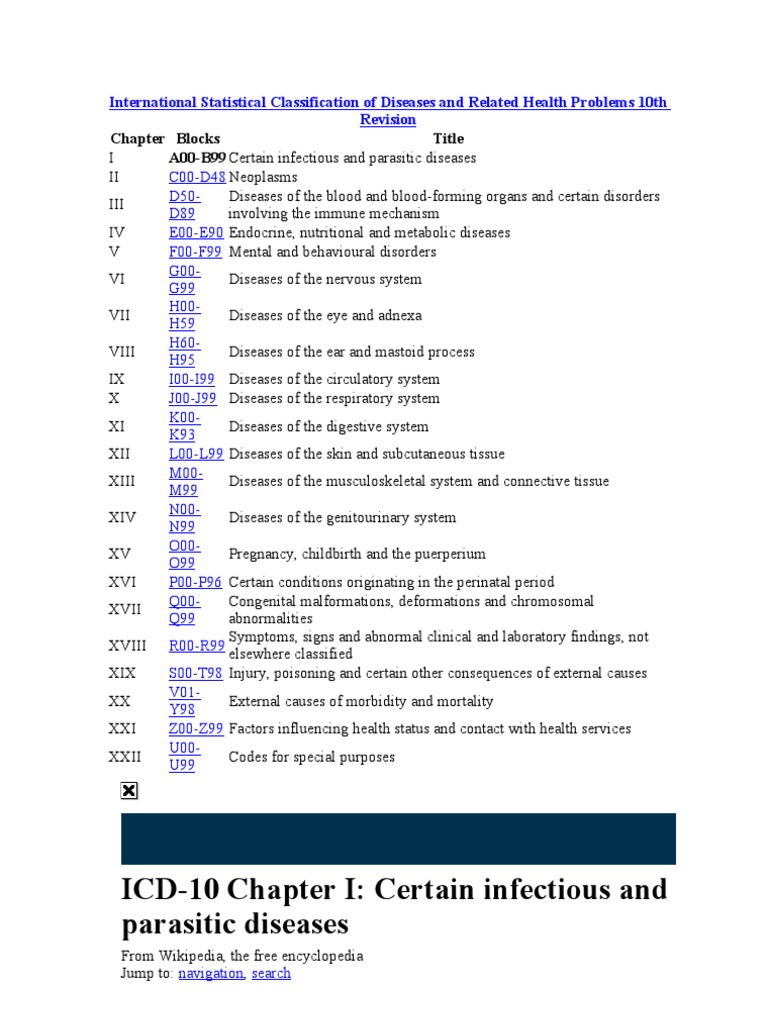 ICD-10 | icd 10 code for postherpetic neuralgia
[/caption]
[caption id="" align="aligncenter" width="1700"]
 Ohio Health Information Management Association - - | icd 10 code for postherpetic neuralgia
[/caption]
[caption id="" align="aligncenter" width="600"]
 22 Strange ICD-10 Codes You Never Thought You'd Need | icd 10 code for postherpetic neuralgia
[/caption]
[caption id="" align="aligncenter" width="500"]
 Ohio Health Information Management Association - - | icd 10 code for postherpetic neuralgia
[/caption]