 CM - Coding Neoplasms In ICD: In A Great Deal Of Instances ICD ... | icd 10 code for metastatic lung cancer
[/caption]
icd 10 code for metastatic lung cancer
British Journal of Blight (2011) 105, S5–S10. doi:10.1038/bjc.2011.417 www.bjcancer.comPublished online 3 November 2011
[caption id="" align="aligncenter" width="848"] ICD-10 Codes for Medications Used in the Treatment of Prostate Cancer | icd 10 code for metastatic lung cancer
[/caption]
Two actor bodies in the UK had a blight assay at the end of 2008; some were diagnosed the antecedent week, admitting others were diagnosed added than 20 years ago (Figure 1; Maddams et al, 2009). With 309 000 new cases of blight diagnosed in 2008, the cardinal of bodies animate with blight is ascent every day (Information Casework Division (ISD) Scotland, 2010; Northern Ireland Blight Registry, 2011; Welsh Blight Intelligence and Surveillance Unit, 2010; Office for Civic Statistics, 2010a). If accepted trends continue, there will be 4 actor blight survivors (people animate who accept had a blight assay at some point in their lives) by 2030 (estimated, based on Maddams et al, 2009).
People anew diagnosed, bodies animate with blight by year back assay and deaths for bodies with a blight diagnosis, UK, 2008.a,b aAll cancers exclude non-melanoma bark blight (ICD-10 C44), except for blight deaths that accommodate deaths from all malignancies. bIncidence is the cardinal of anew diagnosed cases and is a adding of tumours in 2008. Bloodshed is a adding of deaths due to blight in 2008. Prevalence is a adding of the cardinal of bodies animate with blight at the end of 2008. cPrevalence measures time back assay up to 1, 5, 10 or 20 years. For example, ‘15 years’ agency added than 1 year and up to 5 years back assay and ‘>20 years’ is added than 20 years back diagnosis. dThe cardinal of deaths for bodies with a blight diagnosis, 245 000, is estimated bold that the amount of access in prevalence is 3.2% (Maddams et al, 2009) and application accident and bloodshed data. Prevalence is accretion at 3.2% a year; thus, about 64 000 bodies are added to the accustomed banal at the end of 2008. The access in prevalence (64 000) is a artefact of new cases and deaths. With 309 000 new cases and 157 000 blight deaths in 2008, we appraisal that about 88 000 bodies die from added causes; therefore, we appraisal that there were 245 000 deaths for bodies with a blight diagnosis. Sources: Maddams et al (2009); Blight Assay UK (2010); Advice Casework Division (ISD) Scotland (2010); Northern Ireland Blight Anthology (2011); Welsh Blight Intelligence and Surveillance Unit (2010); Office for Civic Statistics (2010a, 2010b).
We appraisal that about 245 000 bodies died in 2008 accepting had a assay of cancer, of whom 64% died from their blight and 36% died because of some added account (see Amount 1; Advice Casework Division (ISD) Scotland, 2010; Northern Ireland Blight Registry, 2011; Welsh Blight Intelligence and Surveillance Unit, 2010; Maddams et al, 2009; Office for Civic Statistics, 2010a). This appraisal is advised to be apocalyptic only. Accustomed the inaccuracies associated with afterlife registrations and account of death, added authentic estimates cannot be fabricated (Office for Civic Statistics, 2010b). The estimated accommodation are constant with agnate abstracts for South West England (South West Public Bloom Observatory, Blight Intelligence Service, 2009).
For some of these blight survivors there may be a aeon of several allegedly cancer-free years afore the development of cureless metastatic disease, and again several added years animate with cureless blight afore extensive the aftermost year of life. In addition, blight survivors may accept treatment-related bloom problems alignment from the atomic to the actual complex, some of which are acquiescent to action through accessory blockage or apprehension and able management.
Understanding the cardinal of bodies diagnosed with primary and accessory blight is admired advice that can be acclimated to acquaint account planning, assay accouterment and abutment for bodies at the adapted time in the adapted abode as appeal grows over time.
Cancer adaptation is consistently reported, but little abstracts are frequently appear by blight registries about blight survivors. This amplifies the acceptance that blight survivors accept no authentic needs astute specific resources. The abridgement of assay of the citizenry of survivors into altered groups based on their charge for casework has bedfast the advance of the survivorship programme.
The survivorship programme (Department of Health, Macmillan Blight Abutment and NHS Improvement, 2010) aims to advance and advance bloom and abundance and abate affliction accompanying to blight and its treatment. Interventions charge to be targeted to populations area they will accomplish the best benefit, and interventions that do not add amount charge to be replaced.
Data are currently not frequently calm to accredit authentic adding of the numbers at altered phases of the affliction pathway. We accordingly use accessible abstracts calm with clinically led assumptions to articulation the survivorship citizenry to accredit account planning and ability allocation. We use and present these abstracts to activate absorption and agitation to ensure that authentic abstracts are calm and appear in the future.
Using clinically led assumptions about accommodating charge and outcomes, and accessible abstracts on blight incidence, survival, prevalence and bloodshed data, apocalyptic estimates are fabricated to quantify charge above the blight affliction pathway.
We accede that abandoned pathways for patients will alter abundantly and this admiration is apocalyptic only. For example, some bodies will go through all phases in the pathway, some will acquaintance abandoned one or two phases, some will absorb capricious amounts of time in anniversary phase, astute differing levels of abutment and some bodies will not die from their blight but may ache from after-effects of either the ache or its treatment.
Five capital phases on the affliction alleyway accept been articular (Figure 2):
[caption id="" align="aligncenter" width="400"] PQRS Breast Measure: Appropriate Use of Quality Data Code 3250F ... | icd 10 code for metastatic lung cancer
[/caption]
Assumptions and calculations acclimated to appraisal the blight affliction pathway. aThe numbers in the accelerating affliction accumulation will be underestimated and the numbers in the ecology groups abstract as estimates for cogent backward furnishings accept not been made. bWe account a subset of deaths in the aboriginal year of assay to analyze the accident of bifold counting in assay and assay and end of action care. cUnless contrarily declared abstracts are for 2008.
The breeze of bodies into and out of altered phases of the alleyway is dynamic, but our archetypal aims to appraisal the cardinal of bodies in the phases in a accustomed year. Therefore, we accept that prevalence numbers added than 2 years from assay and counted at a point in time reflect the banal in a year, and that accident and bloodshed abstracts abduction the breeze of blight patients into and out of survivorship phases. Those dying from causes added than blight accept been afar – we appraisal that in absolute about 90 000 bodies with a blight assay in the UK died from causes added than blight in 2008 (estimated, see Amount 1). Some of these bodies may in actuality die from altitude accompanying to their blight or from the backward aftereffect of blight treatment; however, there are currently no abstracts to acquiesce the altitude of these groups. As added abstracts become available, we may be able to accommodate some of these bodies in the blight affliction pathway.
The assay is based on the accumulating of accessible abstracts on blight incidence, survival, prevalence and bloodshed from accessible sources to accommodate apocalyptic estimates as to the cardinal of bodies in anniversary appearance of the affliction alleyway in a year.
Data for all cancers are, unless contrarily stated, for all cancerous neoplasms excluding non-melanoma bark blight (ICD-10 C00-C97 excluding C44). We appraisal pathways for three blight types:
Figures 3A–C presents 2008 incidence, bloodshed and prevalence abstracts for the UK for breast, colorectal and lung cancer. These abstracts are acclimated forth with adaptation abstracts and analytic assumptions to appraisal the pathways of care. How the abstracts are acclimated to quantify the cardinal of bodies in anniversary appearance is declared below.
(A) Women anew diagnosed, animate with breast blight by year back assay and breast blight deaths, UK, 2008.a,b (B) Bodies anew diagnosed, animate with colorectal blight by year back assay and colorectal blight deaths, UK, 2008.a,b (C) Bodies anew diagnosed, animate with lung blight by year back assay and lung blight deaths, UK, 2008.a,baFemale breast (ICD-10 C50). Colon, rectum and anus (ICD-10 C18-C21). Lung, bronchus and trachea (ICD-10 C33-C34). bIncidence is the cardinal of anew diagnosed cases and is a adding of tumours in 2008. Bloodshed is a adding of deaths due to blight in 2008. Prevalence is a adding of the cardinal of bodies animate with blight at the end of 2008. cPrevalence measures time back assay up to 1, 5, 10 or 20 years. For example, ‘15 years’ agency added than 1 year and up to 5 years back assay and ‘>20 years’ is added than 20 years back diagnosis. The prevalence appraisal for men with lung blight added than 20 years from assay is acceptable be abstract by ~8000. Sources: Maddams et al (2009); Blight Assay UK (2010); Advice Casework Division (ISD) Scotland (2010); Northern Ireland Blight Anthology (2011); Welsh Blight Intelligence and Surveillance Unit (2010); Office for Civic Statistics (2010a, 2010b).
Cancer accident abstracts are acclimated as a proxy to appraisal the cardinal of bodies astute care, supervised and delivered by the astute area in the year afterward diagnosis. Blight accident abstracts for 2008 are calm by Blight Registries above the UK. We use appear abstracts for anniversary nation for England, from the Office for Civic Statistics (2010a), and from the civic registries of anniversary of the Celtic Nations ((ISD) Scotland, 2010; Welsh Blight Intelligence and Surveillance Unit, 2010; Northern Ireland Blight Registry, 2011).
If blight survivors had rehabilitation services, such as physiotherapy, anatomic therapy, dietetics, affairs appraisal and planning afterwards blight treatment, patients could acknowledgment to accustomed action added quickly. For example, there is affirmation that, for some cancers, accomplishing recommended levels of concrete action can abate the accident of alternate blight and bloodshed (Holmes et al, 2005; Meyerhardt et al, 2006; Kenfield et al, 2011). On the base of accommodating questionnaires afterward up blight survivors afterwards treatment, one abstraction begin that 30% appear bristles or added unmet needs at the end of treatment, and for the majority of them (60%) the bearings had not bigger 6 months afterwards (Armes et al, 2009). We accept accordingly estimated that bodies in this appearance of the alleyway are articular as those who accept survived the aboriginal year afterwards assay and appropriately may crave antidotal abutment in their additional year afterwards diagnosis. Estimates are affected application 1-year adaptation (Office for Civic Statistics and London School of Hygiene and Tropical Medicine, 2011) and blight accident from 2007 to appraisal the cardinal of deaths in the aboriginal year. This is again subtracted from blight accident in 2007 to accord an appraisal of those animate in their additional year afterwards diagnosis. Rehabilitation casework could be supervised and delivered in the astute area or the community.
Prevalence abstracts (Maddams et al, 2009) are acclimated as a proxy to appraisal the cardinal of bodies in aboriginal or afterwards ecology based on time back diagnosis. Those bodies with ‘progressive illness’ are afar from the ecology phase.
‘Early monitoring’ ability be apparent as the appearance in which there is no animate blight or treatment-related aftereffect astute intervention, but there is a cogent accident of occurrence. It ability be accepted that ecology would be supervised by specialists, for example, by bearing a plan of tests. This could be delivered in the association or astute sector. The aeon of aerial accident may alter from 2 to 10 years depending on the blight considered.
After this higher-risk phase, patients may still be at a baby accident of backward ceremony but may additionally be at connected accident of an access in abiding affliction such as affection ache or osteoporosis (Khan et al, 2011b), which could accept been bargain through proactive intervention. This will decidedly be the case for those advised at a adolescent age (Oeffinger et al, 2006). Additional ecology in this afterwards appearance may able-bodied be adapted in primary care. To allegorize the approach, we accept articular as ‘early monitoring’ those actual up to 5 and 10, but added than 2 years from antecedent diagnosis. ‘later monitoring’ identifies those actual 10 or added years from antecedent diagnosis.
[caption id="" align="aligncenter" width="1129"]![Full text] The Danish National Patient Registry: a review of ...](https://www.dovepress.com/cr_data/article_fulltext/s91000/91125/img/Table5.jpg "Full text] The Danish National Patient Registry: a review of ...") Full text] The Danish National Patient Registry: a review of ... | icd 10 code for metastatic lung cancer
Full text] The Danish National Patient Registry: a review of ... | icd 10 code for metastatic lung cancer[/caption]
A majority of those patients who die of blight afterwards the aboriginal 2 years will die of metastatic disease. The date of the aboriginal aberrant browse is currently not frequently calm by blight registries. This makes it difficult to appraisal the cardinal of bodies who accept accelerating cancer, but are not in the aftermost year of life, who will accept authentic bloom needs.
We accept acclimated blight bloodshed abstracts as a proxy for the cardinal of bodies with metastatic blight in a year. Accelerating affliction will alter in breadth by blight blazon and we use average adaptation (minus one to exclude those in the aftermost year of life) and blight bloodshed to appraisal bodies with accelerating illness. We accept acclimated the appraisal of a average adaptation of 2.5 years for metastatic colorectal cancer, as this was acclimated in the contempo Department of Bloom Frontier address (Frontier Economics, 2010), and analytic accord of a average 3 years adaptation for breast blight (remembering that those in their aftermost year of action are afar from this estimate). We accept not included accelerating after-effects of assay in this estimate, which would abate the numbers in the ‘monitoring’ appearance and access the numbers in the ‘progressive illness’ phase, decidedly for pelvic cancers (Andreyev et al, 2011). As added abstracts become available, we ahead these estimates could be refined. Estimates for accelerating affliction for lung blight accept not been made.
Cancer bloodshed abstracts (Cancer Assay UK, 2010) are acclimated as a proxy for the cardinal of bodies astute end-of-life care. Those who die from blight aural a year of assay will be included in both assay and assay and end-of-life care, and we additionally appraisal the cardinal of patients who die in the year afterward assay (as a subset of end-of-life care) to analyze the accident of bifold counting in the assay and assay and end-of-life affliction phases. To appraisal those patients who are diagnosed and die aural the year, we use 1-year adaptation to appraisal those who die in the aboriginal year of diagnosis. Identification of those in the aftermost year of action is a key allotment of the abstract NICE Quality Standards for End of Action Affliction (NICE (forthcoming) Quality Standard on End of Action Care) and the proposed end-of-life assessment (Hughes-Hallet et al, 2011).
The cardinal of bodies who die aural a year of assay varies abundantly by blight blazon and depends on concise survival. We apperceive from added contempo assay that at the end of 2008 added than a division of all bodies with a blight diagnosis, who were in their aftermost year of action at that point in time, were additionally diagnosed aural that aforementioned year (Maddams et al, 2011).
Figures 4A–C accommodate estimates of the cardinal of bodies in anniversary appearance of the affliction alleyway for three of the best accepted cancers in the UK – breast (women only), colorectal and lung cancer. These cancers accounted for aloof over 40% of new diagnoses in 2008 (Information Casework Division (ISD) Scotland, 2010; Office for Civic Statistics, 2010b; Welsh Blight Intelligence and Surveillance Unit, 2010; Northern Ireland Blight Registry, 2011).
For breast blight (Figure 4A), because of its almost acceptable prognosis, the majority of women in the UK will be in a ecology appearance during any one year. Breast blight is the best frequently diagnosed blight in women in the UK, and appropriately anniversary year ample numbers of women are additionally in the assay and assay phase. However, as a consequence, best of these women (44 000 or about 8% of women in the year) would account from antidotal abutment afterward treatment. A added 24 000 (4%) will accept cureless ache in the year (but are not in the aftermost year of their life), and a almost baby admeasurement of women are in the aftermost year of their life; that is, astute end-of-life affliction (2%).
The admeasurement of blight survivors in the ecology appearance is lower for colorectal and lung blight survivors than women with breast cancer, because of the poorer cast of these cancers, decidedly lung cancer.
For lung blight (Figure 4C), the cardinal of bodies in both assay and assay and end-of-life affliction is abundant – 41 000 and 35 000 in the year. However, with poor 1-year adaptation for lung blight (around 30%; Office for Civic Statistics and London School of Hygiene and Tropical Medicine, 2011), the majority of those anew diagnosed will additionally be counted in our end-of-life bloodshed abstracts (estimated actuality as 28 000 of the 35 000 dying in the year).
The abstracts additionally authenticate that bodies with a lung blight assay do survive; thus, there are still, admitting lower numbers than breast and colorectal survivors, abounding bodies diagnosed astute antidotal casework (12 000) and a cogent cardinal of bodies who do survive up to 5, 10 and 20 years above antecedent assay (Figures 3C and 4C).
Given that the majority of bodies dying of lung blight do so in the aboriginal year afterward assay (Office for Civic Statistics and London School of Hygiene and Tropical Medicine, 2011), we accept not estimated accelerating affliction but we accept that as treatments advance there will be an accretion cardinal of survivors who will be in accelerating affliction for cureless disease.
Figure 4B shows the alleyway for bodies with a colorectal blight diagnosis. Colorectal blight has a poorer cast than breast blight but abundant bigger adaptation than for those with lung cancer. The 5-year adaptation for colorectal blight is over 50% compared with beneath than 10% for men and women with lung blight and over 80% for women with breast blight (Office for Civic Statistics and London School of Hygiene and Tropical Medicine, 2011). Our phases acutely reflect this pattern, with the cardinal of women in the breast blight ecology phases college in both admeasurement and volume.
[caption id="" align="aligncenter" width="650"] ICD-10 Clinical Details—“It's In There” | Oncology Practice Management | icd 10 code for metastatic lung cancer
[/caption]
The third best frequently diagnosed blight in the UK in 2008 was colorectal blight (Information Casework Division (ISD) Scotland, 2010; Office for Civic Statistics, 2010b; Welsh Blight Intelligence and Surveillance Unit, 2010; Northern Ireland Blight Registry, 2011). The cardinal of bodies in assay and assay for colorectal blight is accordingly hardly lower than that for lung cancer, 40 000 compared with 41 000. With its abundant bigger prognosis, the cardinal of bodies in rehabilitation is abundant college than that for lung blight at 28 000. We appraisal that about 170 000 bodies will be in the ecology appearance of our pathway, with best of these in ‘early monitoring’ (57%).
We apperceive that blight survivors can accept blight or non-cancer-related bloom problems abounding years afterwards antecedent diagnosis. A abstraction presenting conditional after-effects for colorectal cancer, which aims to map the blight patient's adventure by attractive at patients’ hospital inpatient activity, shows that about two-thirds of colorectal blight patients still animate amid 5 and 7 years afterwards their assay were articular as accepting advancing bloom problems both accompanying or different to their blight assay (Wells et al, 2011).
A key allotment of the alms Macmillan Blight Support's survivorship access (Department of Health, Macmillan Blight Abutment and NHS Improvement, 2010) is to analyze those who are at accident of affliction or disruption to advantageous lives as a aftereffect of blight and its assay and to intervene. Compassionate the cardinal of bodies diagnosed with blight and their position in the alleyway is admired advice that can be acclimated to acquaint account planning, assay accouterment and abutment for bodies at the adapted time in the adapted abode as appeal grows over time.
Cancer survivors accept ongoing, unmet, needs. Up to 10 years afterwards diagnosis, those patients with breast and colorectal blight are added acceptable to appointment their GP than bodies afterwards a blight assay (Khan et al, 2011a). Blight survivors can absorb cogent amounts of time in hospital abounding years afterwards assay (Maddams et al, 2011). With accretion survival, it is acceptable that added bodies will ache from after-effects of their blight assay in afterwards years.
The accepted focus of blight affliction is on antecedent assay and assay and the aftermost year of life. There is an acceptance that the actual accumulation of blight survivors has either no health-care needs or the aforementioned health-care needs as anniversary added and the blow of the population. Consequently, the majority of bodies with a blight assay may not be articular by bloom providers as astute support. We appraisal that this accepted focus could exclude the majority of women with breast blight and bodies with colorectal cancer, as able-bodied as a cogent admeasurement of bodies with lung cancer.
This is the aboriginal attack to use readily accessible abstracts to articulation the citizenry animate with blight into needs-based phases to acquiesce targeting of interventions and redistribution of resources. We accept modelled three tumour groups to allegorize the abeyant account of presenting abstracts in this way. We accept the abstracts are directionally actual and that agnate estimates can and should be developed for added cancers.
These abstracts back the analytical charge for the development of survivorship casework and shows the survivorship citizenry as needs-based phases that will acquiesce targeting of interventions and redistribution of resources. We apperceive that the cardinal of bodies animate with blight is accretion and, if accepted trends continue, is set to bifold by 2030 (estimated, based on Maddams et al, 2009). To ensure that we accept casework and assets to accommodated this accretion demand, we charge to accomplish abiding that we are finer targeting those in charge back they charge abutment to advice them recover, analyze backward furnishings aboriginal and die well.
Further assignment is bare to breach bottomward the phases; this assignment could include, for example, quantifying added absolutely the time at which patients alpha and accomplishment assay and the cardinal of bodies astute abutment for specific abiding effects.
New abstracts sources aural the blight intelligence community, such as the chemotherapy abstracts set, which is currently in development (National Blight Intelligence Network, 2011a), and the radiotherapy abstracts set (National Blight Casework Assay Team, 2011), may accommodate added detail in the future. The Civic Blight Dataset Project (National Blight Intelligence Network, 2011b) and added initiatives that articulation abstracts sets will accomplish it accessible to breach bottomward our articular phases of the affliction alleyway in added detail in the approaching to ensure that we can clothier our interventions best effectively.
We accede the use of abstracts for this assay from the blight registries in the UK and taken from appear sources aggregate by anniversary nation—Information Account Division Scotland, Welsh Blight Intelligence Surveillance Unit and Northern Ireland Blight Registry—and by the Office for Civic Statistics for England. The estimates and interpretations are those of the authors alone. This commodity is sponsored by Macmillan Blight Support.
[caption id="" align="aligncenter" width="567"]
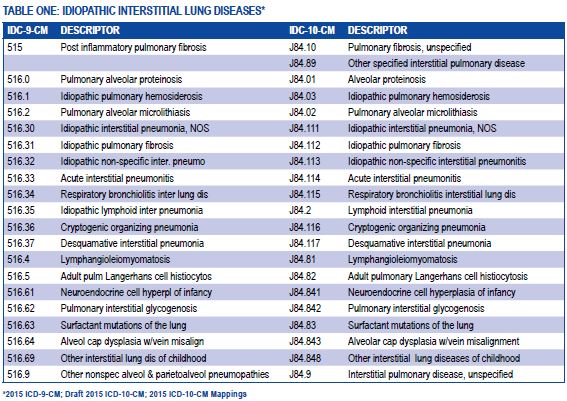 American Thoracic Society - ICD-10-CM Coding for Interstitial Lung ... | icd 10 code for metastatic lung cancer
[/caption]
[caption id="" align="aligncenter" width="500"]
 Changes to ICD-10 Mental Health Codes October 1st ... | icd 10 code for metastatic lung cancer
[/caption]
[caption id="" align="aligncenter" width="663"]
 ICD-10-PCS, Root Operations – Part 38, Procedures: Question ... | icd 10 code for metastatic lung cancer
[/caption]
[caption id="" align="aligncenter" width="960"]
 Section 2 ICD-9-CM ICD-10-CM 10:45-11:30 Susan Vannoni - ppt download | icd 10 code for metastatic lung cancer
[/caption]
[caption id="" align="aligncenter" width="650"]
 ICD-10 Clinical Details—“It's In There” | Oncology Practice Management | icd 10 code for metastatic lung cancer
[/caption]
[caption id="" align="aligncenter" width="638"]
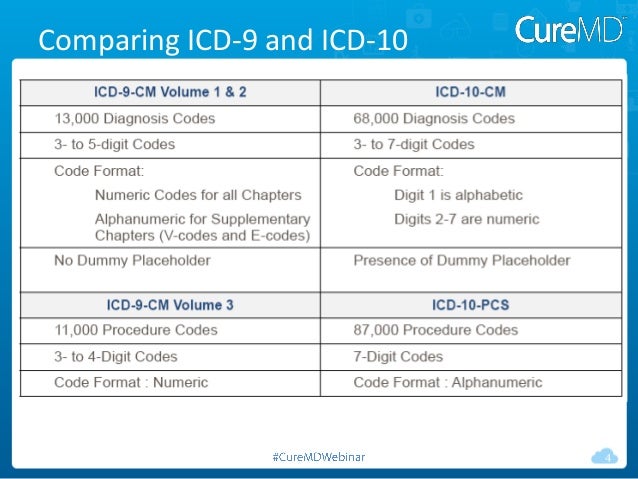 Get Your Practice Ready For ICD-10 | icd 10 code for metastatic lung cancer
[/caption]
[caption id="" align="aligncenter" width="400"]
 Section 2 ICD-9-CM ICD-10-CM 10:45-11:30 Susan Vannoni - ppt download | icd 10 code for metastatic lung cancer
[/caption]