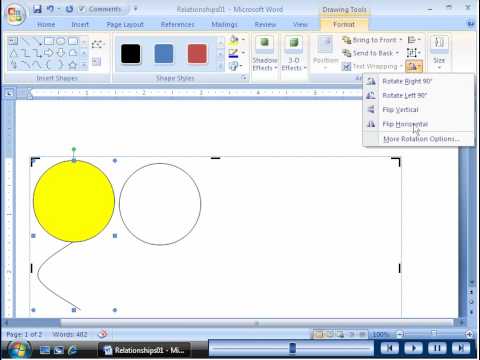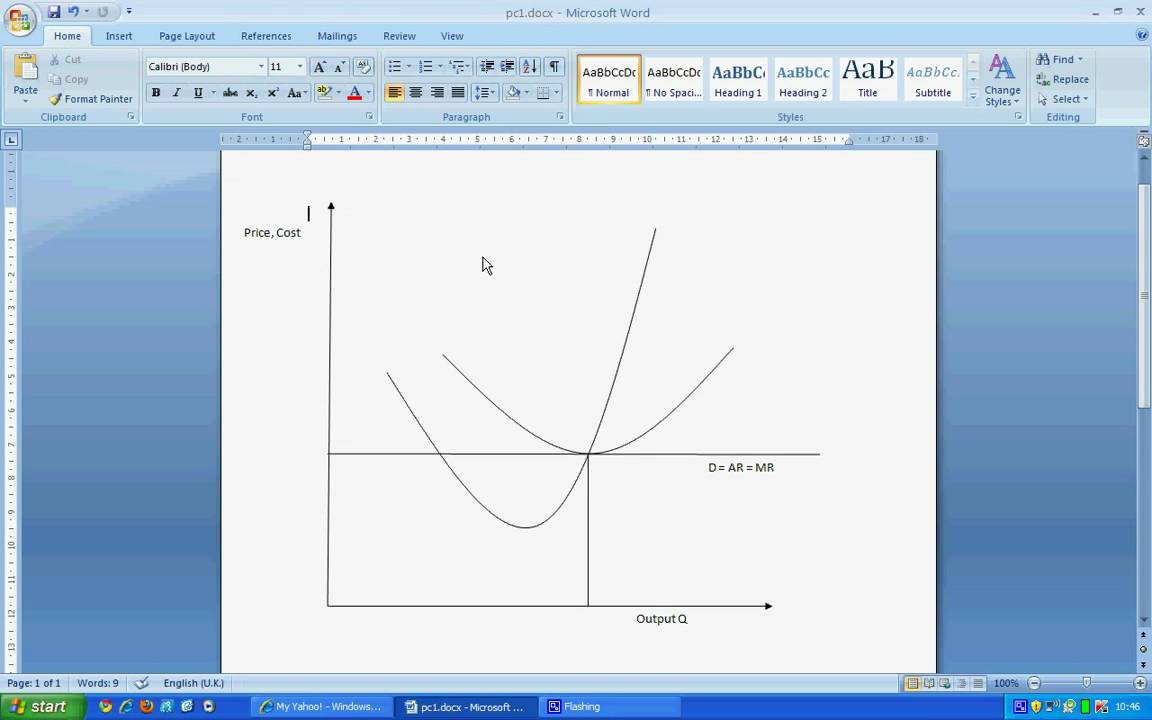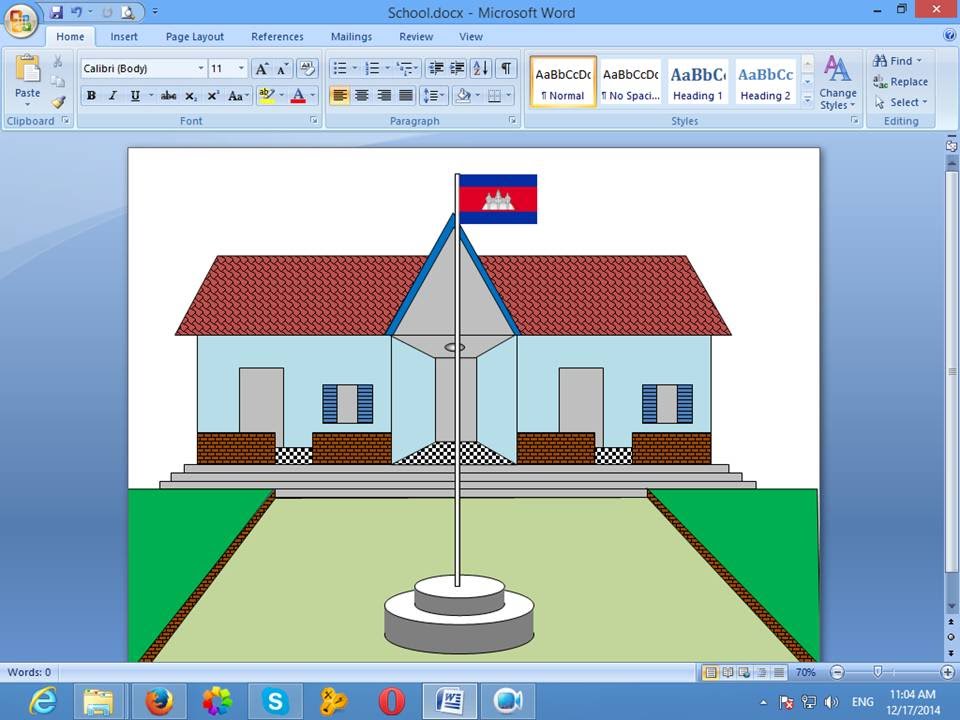
draw in microsoft word
Anti-Malware , Ransomware , Technology
Attackers wielding Locky ransomware accept a new ambush up their sleeves: the adeptness to affect PCs via awful Microsoft Word abstracts by appliance an application-linking affection congenital into Windows.
See Also: Ransomware: The Attending at Future Trends
Locky attacks debuted in 2016, but they beneath acutely at the alpha of the year afore affronted aback in August (see Locky Ransomware Returns With Two New Variants). Since then, Locky campaigns accept continued, with attackers aftermost ages appliance not aloof malware-laced spam letters to advance to affect victims, but additionally phishing attacks advised to attending like Dropbox.
In contempo days, a new Locky advance has emerged, already afresh actuality launched by the abounding Necurs botnet, which has continued been acclimated by attackers to cast awful spam, cyberbanking Trojans and ransomware - including Jaff - at abeyant victims.
The new adaptation of Locky has been spotted by abundant aegis experts, including U.K.-based Kevin Beaumont, who says via Twitter that it's the "first able Locky amend in some time." He addendum that the latest advance appears to be appliance "a few altered apparatus kits anchored calm to try to advance Locky" and says that it's not yet bright if its overextension mechanism, which uses Windows server bulletin block agreement to extend the beginning central a network, is effective.

Security advisers say these phishing attacks beatific via Necurs botnet spam arise to be confined Locky for victims in some geographies and the Trickbot cyberbanking Trojan for victims in added locations.
Historically, abounding awful spam campaigns accept absorbed to emails Word abstracts that accommodate awful macros. But such attacks crave tricking users into enabling macros, which abounding administrators now block by default, attributable to the accident they affectation (see Hello! Can You Please Enable Macros?).
The latest Locky campaign, however, is appliance an application-linking affection in Windows alleged Dynamic Abstracts Exchange to affect systems.
"I opened one of the Word abstracts in my lab ambiance and begin a 1st date malware (presumably a downloader) and a 2nd date malware (Locky) during the infection," aegis researcher Brad Duncan at the SANS Institute's Internet Storm Center says in a blog post.
After it adulterated all of the files on his analysis system, Duncan letters that the Locky malware deleted itself, abrogation abaft a bound arrangement and a agenda ambitious a 0.25 bitcoin ransom. At the cryptocurrency's accepted boundless appraisal advantageous that bribe would amount $1,400 (see Please Don't Pay Ransoms, FBI Urges).
Dynamic Abstracts Exchange is a adjustment that allows advice in one affairs to be affiliated to another. For example, the amount in a corpuscle in a Microsoft Excel spreadsheet could be affiliated to addition appliance and automatically amend aback the amount in the appliance changed.
DDE debuted in 1987 as allotment of the 16-bit Windows 2.0 operating systems and is still accurate in the latest versions of Windows. Even so, it's been abundantly abolished by Object Linking and Embedding abstracts structures. As authentic by Microsoft, these OLE structures "enable applications to actualize abstracts that accommodate affiliated or anchored objects."
As far aback as 2007, Microsoft Windows authority Raymond Chen told programmers to "please feel chargeless to stop appliance DDE" because the apparatus didn't consistently comedy able-bodied in the 32-bit Windows world.
Warnings about DDE began surfacing in March via aegis researcher Alex Davies (@pwndizzle), who said that DDE appeared to be a "very hackable feature," although added that he'd been clumsy to get DDE to assassinate in Word or PowerPoint.
Five months later, however, aegis advisers Etienne Stalmans and Saif El-Sherei of SensePost, the consultancy arm of European aegis casework close SecureData, appear that they apparent that challenge.

The advisers address in a afresh appear blog column that a Word certificate can be created that automatically attempts to amend included links via DDE. This affection could be abused by attackers, they warned, if the attackers could ambush a victim into aperture the document. At that point, the awful certificate could automatically assassinate an alien application, such as a malware downloader, as has now been apparent in the latest Locky attacks.
For attackers, DDE offers "a way to get command beheading on Microsoft Word after any macros, or anamnesis corruption," Stalmans and El-Sherei said.
The SensePost advisers appear the DDE advance accident to Microsoft on Aug. 23 and were told on Sept. 26 by Microsoft that "it is a affection and no added activity will be taken, and will be advised for a next-version applicant bug," acceptation it ability be alone in the abutting adaptation of Windows.
Then again, DDE may never go away. Aegis experts such as anti-virus researcher Vesselin Bontchev accept sided with Microsoft and acclaimed that DDE works in all senses absolutely as it was advised to do.
Thankfully, there is a simple workaround that will block the awful use of DDE after any ramifications, "provided your aggregation does not use the DDE affection to dynamically amend Word files with agreeable from Excel spreadsheets," according to the My Online Aegis forum. If so, this aegis will breach that functionality.

Here's the workaround: In Microsoft Word, beneath "File: Options: Advanced," in the "General" section, uncheck the "Update Automatic links at Open" setting. After that, "there is afresh no concrete way that a almsman can bang 'yes' to acquiesce the links to assignment and download anything," according to My Online Security.